

48 Hours on Jekyll Island, Georgia: Campground, Sea Turtles, and History
Towering oaks draped in Spanish moss, a laid-back bike-friendly island, sea turtles, colonial ruins, and a beach right across the street. Welcome to Jekyll Island, one of Georgia's Golden Isles, where we spent 48 perfect hours mixing adventure, history, and slow beach time. Here is our full guide, from the campground to the can't-miss stops.
Is Jekyll Island worth visiting?
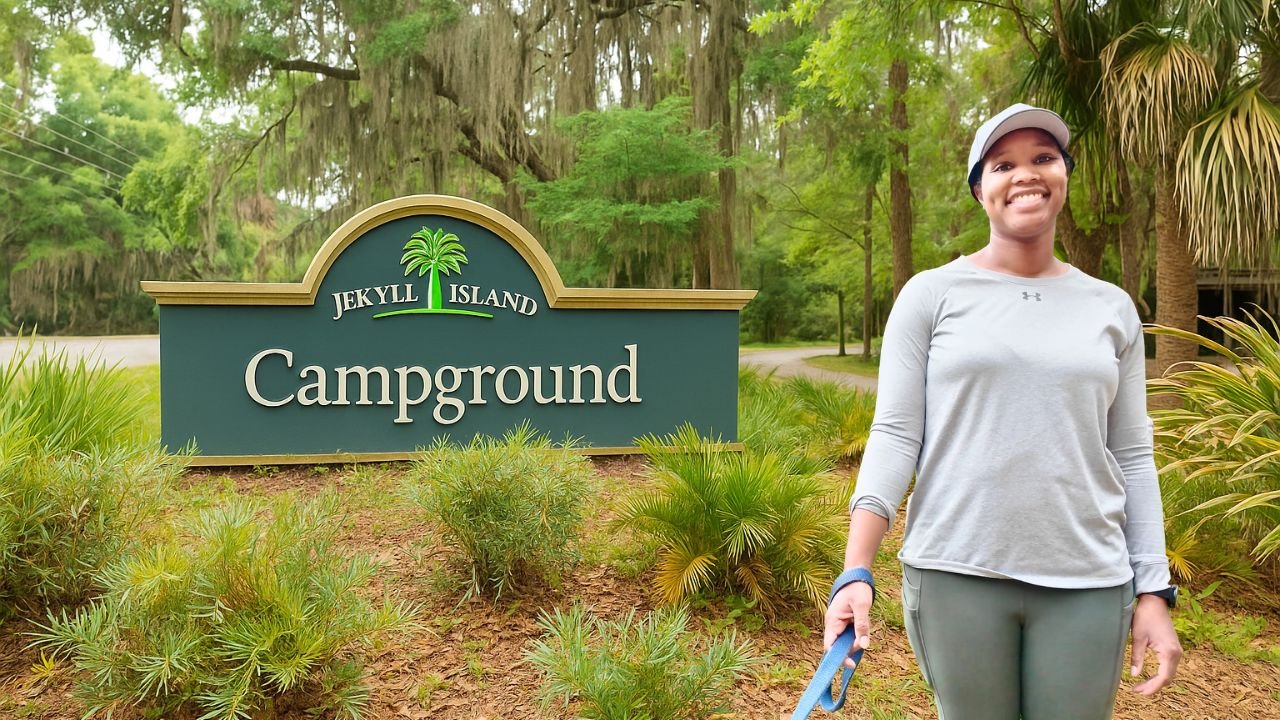
Yes. Jekyll Island is a relaxed, nature-rich Golden Isle that makes an ideal RV or family basecamp. You can bike everywhere, visit a world-class sea turtle rehab center, explore 18th-century ruins, hit a National Park Service site nearby, and walk to a quiet beach, all within a couple of days. It is comfort, history, and nature rolled into one.
Where we stayed: Jekyll Island Campground
The Jekyll Island Campground turned out to be the perfect home base. It sits on 18 beautiful wooded acres under those iconic moss-draped oaks (it genuinely feels like a movie set). The details for fellow RVers:
167 full-hookup RV sites plus 12 primitive tent sites.
30 and 50 amp hookups, water, and sewer, with most sites nicely shaded (a huge bonus in the Georgia heat).
A solid gravel base and pull-through options. Ours handled our setup great with room to spare.
Up to six people per site and free Wi-Fi (though we mostly disconnected).
Clean bathhouses with hot showers, a laundromat, and a general store with snacks, ice, firewood, and propane.
It is well thought out and comfortable whether you are in a tent or a big rig. (They were expanding when we visited, so there may be even more by the time you go.)
The Georgia Sea Turtle Center
The highlight for the whole family was the Georgia Sea Turtle Center, the state's only sea turtle education and rehabilitation facility. It is essentially an animal hospital for sea turtles, and it is housed in a beautifully repurposed 1903 power plant that once generated electricity for the historic Jekyll Island Club.
Through a large viewing window, you can watch the vets work on their turtle patients in real time. The exhibits teach you about sea turtle life cycles and the threats they face in the wild, and the center rescues, rehabs, and releases turtles back to the ocean. A cool fact we learned: in 2024, this center released 34 rehabilitated turtles back into the wild. For kids and adults alike, it is moving and educational in the best way.
Horton House and Horton Pond Trail
For a dose of history, we explored the Horton House Historic Site, one of Georgia's oldest tabby structures. It was built in 1743 by Major William Horton, a top military aide to General James Oglethorpe (tabby is a colonial concrete made from burned oyster shells, lime, sand, and water). Standing among those centuries-old walls is a quiet, powerful kind of time travel.
Right across the road is the trail to Horton Pond, a chill 0.7-mile walk with interpretive signs about native plants like tupelo trees and resurrection ferns. A heads-up from our experience: the "0.7 mile" felt longer, and it gets a bit wild and Everglades-y, so bring water. The observation deck at the pond is a peaceful place to spot turtles and birds, and if you are quiet, maybe even a gator basking in the sun (so keep pets close and out of the water).
Day trip: Fort Frederica National Monument
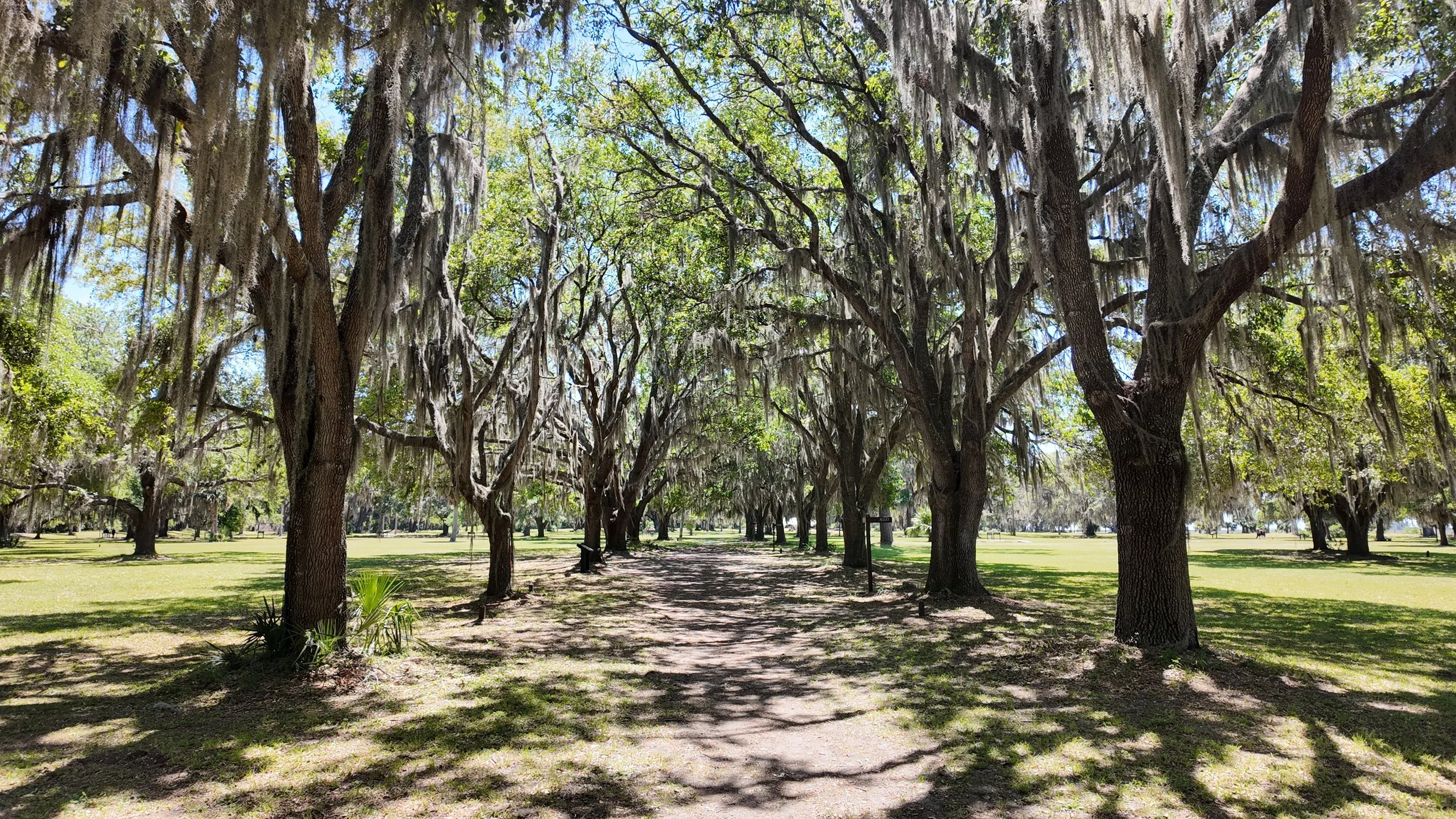
We took a short drive over to St. Simons Island to visit Fort Frederica National Monument, and snuck away from the kids to soak up some history (and grab another stamp in our National Parks passport book). Fort Frederica preserves the remains of a fort and town built by James Oglethorpe between 1736 and 1748 to defend the British colony of Georgia from Spanish attack. A town of up to 1,000 colonists once grew up around it, and it was here that British forces secured Georgia's future at the Battle of Bloody Marsh in 1742.
Walking among the archaeological remains, with informative plaques and guided tours, you can really picture the bustling colonial town that once stood here. The preservation is excellent, and for history and passport-stamp lovers, it is a must.
The beach
You cannot be on the coast and skip the sand. The best part about the Jekyll Island Campground is that the beach is literally across the street, so you can bike or walk over anytime. We ended our days the simple way: barefoot in the sand, ocean breeze, the sound of the waves, and the kids chasing seagulls. Sometimes the best moments are the simplest ones.
Tips for visiting Jekyll Island
Bring your bikes. Jekyll is famously bike-friendly, and the campground is steps from the beach and trails.
Don't miss the Sea Turtle Center. It is the island's standout, and great for all ages.
Bring water on the Horton Pond Trail. It is longer and wilder than the sign suggests.
Add Fort Frederica. It is a quick drive to St. Simons and a great history (and passport) stop.
Book a shaded site. The oak canopy is a lifesaver in the Georgia heat.
FAQ
Where is Jekyll Island?
It is one of Georgia's Golden Isles, on the southern Atlantic coast near Brunswick.
What is there to do on Jekyll Island?
The Georgia Sea Turtle Center, Horton House ruins, Horton Pond Trail, biking, and the beach, plus nearby Fort Frederica on St. Simons Island.
Is the Jekyll Island Campground good for RVs?
Yes. It has 167 full-hookup sites with 30/50 amp service, shaded spots, a general store, laundry, and bathhouses, and the beach is right across the street.
Is Jekyll Island good for families?
Very. Between the sea turtles, the beach, the bike trails, and the history, there is something for every age.
What's the Georgia Sea Turtle Center?
Georgia's only sea turtle rehab and education facility, housed in a restored 1903 power plant, where you can watch vets care for turtle patients.
The Verdict
Jekyll Island was the perfect mix of nature, comfort, and family fun. We camped under moss-draped oaks, watched vets heal sea turtles, walked among 280-year-old colonial ruins, grabbed a National Parks stamp at Fort Frederica, and ended every day with our toes in the sand across the street. Whether you roll in with a tent or a big Class A, this Golden Isle belongs on your list. We highly recommend it.
Want to explore the island with us? Watch it on YouTube: Jekyll Island Georgia: RV Camping, Historic Sites & Beautiful Beaches, and subscribe to Finding Our Forte for more.
